
How Electric Vehicles Have Changed the UK Repair Market
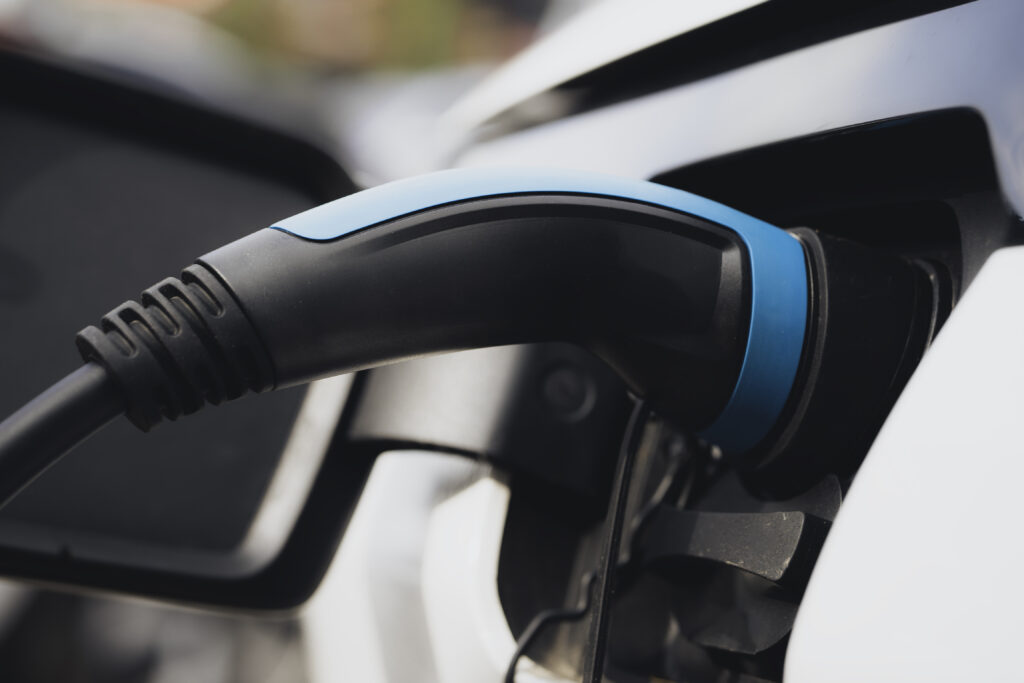
Over the past decade, the UK automotive industry has undergone one of its most significant transformations in modern history. The rapid adoption of electric vehicles (EVs) is reshaping not only how vehicles are driven, but also how they are repaired, managed and supported throughout the accident management process.
As electric vehicle ownership continues to grow, repair networks, bodyshops and accident management providers are adapting to new technologies, changing repair requirements and evolving insurer expectations. From high-voltage battery systems and advanced driver assistance systems (ADAS) to rising repair costs and more complex claims handling, EVs are fundamentally changing the UK repair market.
According to UK electric vehicle market data from the Society of Motor Manufacturers and Traders (SMMT), electric vehicle registrations continue to increase year-on-year, creating new challenges and opportunities across the vehicle repair sector.
As EV adoption accelerates, it has never been more important for repairers, insurers and fleet operators to understand how the market is evolving and what is required to deliver safe, efficient and high-quality repair outcomes.
How EV Adoption Has Changed in the UK
Over the last decade, electric vehicles have moved from niche products to mainstream transport solutions. Government policy, sustainability targets and the planned transition away from new petrol and diesel vehicles have all contributed to the rapid growth of EV ownership.
As a result, electric vehicles now represent an increasing proportion of vehicles entering the accident repair process. This growth is driving demand for specialist repair facilities, trained technicians and advanced repair capabilities across the UK automotive sector.
For repairers, adapting to this shift is no longer optional. EV repairs are becoming a core part of everyday operations.
Why Electric Vehicles Require Different Repair Processes
Although electric vehicles often appear similar to traditional petrol or diesel vehicles externally, their construction and technology create very different repair requirements.
EVs rely on:
- High-voltage battery systems
- Advanced Driver Assistance Systems (ADAS)
- Integrated electronics and software
- Complex diagnostic systems
This means repairers must follow specialist repair procedures, including battery isolation processes, manufacturer-approved repair methods and enhanced safety protocols.
Electric vehicle repairs have become increasingly technical, shifting the focus beyond traditional bodywork and mechanical repairs. Successful repairs now require greater diagnostic expertise, procedural accuracy and compliance with manufacturer standards.
For repairers, maintaining these standards is essential to ensuring vehicles are returned to the road safely while meeting insurer and customer expectations.
The Impact of EVs on Vehicle Repair Costs
One of the most significant effects of EV adoption has been the increase in vehicle repair costs.
Compared with conventional vehicles, electric vehicle repairs often involve:
- Specialist labour requirements
- Advanced diagnostics
- Battery safety inspections
- ADAS calibration and testing
- Manufacturer-specific repair procedures
- Higher component replacement costs
Battery-related damage can have a particularly significant impact on repair viability. In some cases, the cost of repairing or replacing battery systems can influence whether a vehicle is repaired or declared a total loss.
As a result, insurers and accident management providers are increasingly required to make more detailed repair assessments earlier in the claims journey.
Challenges Facing UK Repair Networks
The continued growth of electric vehicles is creating several challenges for repair networks across the UK.
Skills and EV Repair Training
One of the biggest challenges facing the sector is the shortage of technicians trained to work safely on high-voltage vehicles.
As EV adoption grows, demand for qualified technicians continues to outpace supply. Repairers are increasingly investing in specialist training programmes to ensure staff have the skills required to safely repair electric vehicles.
Repair Network Capacity
Not every repair centre is equipped to handle electric vehicle repairs.
Specialist equipment, dedicated workspaces and trained personnel are all required, limiting the number of repairers capable of carrying out EV repairs safely and efficiently.
This can place pressure on repair network capacity and increase waiting times for customers.
Claims and Accident Management Complexity
Electric vehicle claims often require additional technical assessments and specialist intervention.
From first notification of loss through to repair or total loss decisions, accident management providers must coordinate multiple stakeholders while maintaining visibility and control throughout the process.
Longer Repair Times and Customer Expectations
Additional diagnostics, battery inspections and specialist repair procedures can extend repair times compared with conventional vehicles.
As repair cycles become longer, customer communication and mobility solutions become increasingly important to maintaining a positive claims experience.
How EVs Are Changing Accident Management
The growth of electric vehicles is driving significant changes across the accident management sector.
Many organisations are now:
- Developing EV-specific claims pathways
- Partnering with specialist repair networks
- Improving claims triage processes
- Using data to improve repair outcomes
- Enhancing repair network visibility
These developments are helping create more efficient, scalable and consistent processes for managing electric vehicle claims.
What This Means for UK Repairers
For repairers, the transition to electric vehicles presents both challenges and opportunities.
Businesses investing in:
- EV repair training
- High-voltage safety capability
- Manufacturer-approved repair standards
- Advanced diagnostic technology
will be best positioned to remain competitive as demand for electric vehicle repairs continues to grow.
Repairers that successfully adapt are likely to benefit from increased opportunities within insurer networks, fleet programmes and accident management partnerships.
Why EV Repair Trends Matter to the Accident Management Sector
The continued growth of electric vehicles is reshaping the entire insurance claims and accident management landscape.
From rising repair costs and longer repair times to increased technical complexity and changing total loss considerations, the impact of EVs is being felt throughout every stage of the claims journey.
For accident management providers, adapting to these changes is essential for maintaining operational efficiency, controlling costs and delivering consistent customer outcomes.
Supporting EV-Ready Repair Networks with S&G Response
At S&G Response, we support repairers, insurers and fleet partners across the evolving electric vehicle repair landscape.
Through our expertise in electric vehicle accident management, insurance claims handling and repair network coordination, we help organisations navigate the increasing complexity of EV repairs with confidence.
By combining operational expertise, specialist knowledge and effective communication, we help ensure every claim is managed safely, efficiently and to the highest standards.
Whether you’re looking to strengthen repair network performance, improve electric vehicle claims handling or enhance customer outcomes, our experienced team is here to help.
Learn more about our services at https://www.sandgresponse.co.uk/
Or contact our team directly at https://www.sandgresponse.co.uk/get-in-touch/
Frequently Asked Questions
How much do electric vehicle repairs cost compared to petrol cars?
Electric vehicle repairs can often be more expensive due to specialist labour requirements, advanced electronics, battery systems and manufacturer-approved repair procedures.
Why do EV repairs take longer?
Additional safety checks, battery diagnostics and specialist repair processes can extend repair times compared to conventional vehicles.
Do electric vehicles increase insurance claim costs?
In some cases, yes. Battery-related damage and complex repair requirements can increase overall claim costs.
What training is required to repair electric vehicles?
Technicians typically require high-voltage safety training and manufacturer-specific accreditation to safely repair and maintain electric vehicles.