
Fleet Winter Readiness Checklist: 7 Steps to Keep Your Vehicles Moving
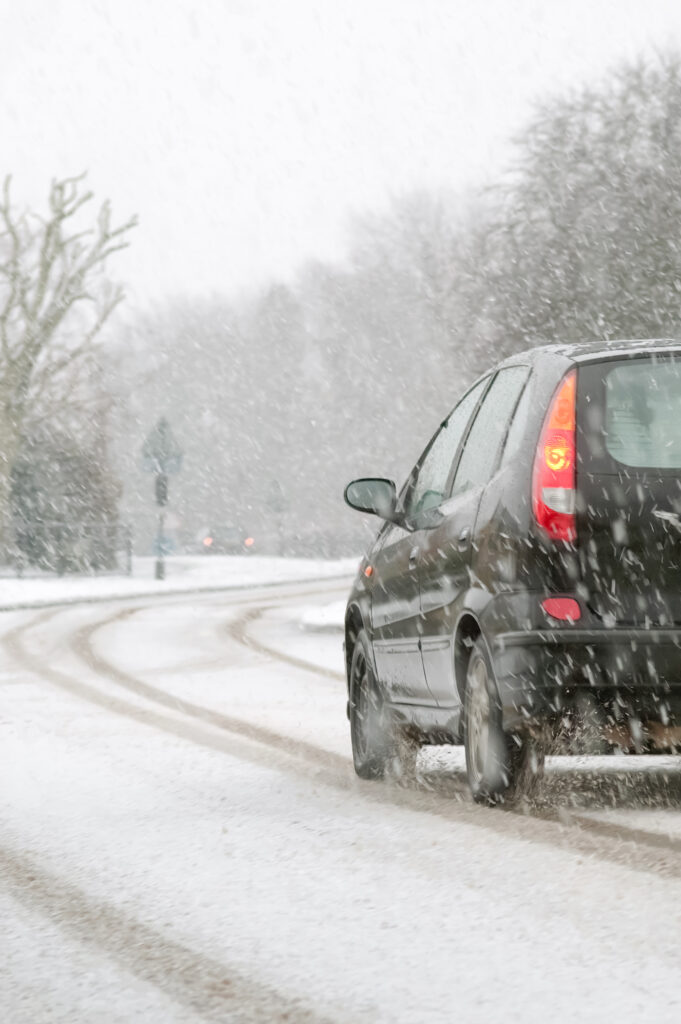
For fleet operators, winter can affect vehicle reliability, driver safety, journey times and the ability to keep business moving. Darker mornings, freezing temperatures, heavy rain, ice and occasional snow all make driving conditions more challenging.
Preparing for the British winter means more than checking whether vehicles can cope with the cold. Our fleet winter readiness checklist covers seven practical steps to help operators prepare vehicles, support drivers and put the right processes in place if an incident occurs. Not every disruption can be avoided, but proactive planning can help reduce risks and minimise downtime.
1. Check tyres, brakes and batteries
Check tyre tread depth, pressures and overall condition across the fleet. The legal minimum tread depth for most cars and light vans in the UK is 1.6 mm across the central three-quarters of the tread, around the entire circumference; operators should check the requirements for their vehicle types. Greater tread depth may offer additional reassurance on wet winter roads.
Cold weather can put extra strain on batteries, so include battery health in routine checks. Inspect brakes, exterior lights and indicators regularly to help vehicles remain safe and visible in poor conditions.
2. Check visibility and essential vehicle fluids
Inspect windscreen wipers, washer fluid and demisting systems before temperatures fall. Rain, road spray, frost and condensation can all affect visibility. Replace worn wiper blades, use washer fluid suitable for winter conditions and confirm that heating and demisting systems work properly.
Check antifreeze and other fluid levels in line with the vehicle manufacturer’s recommendations, and address any issues before they cause avoidable disruption.
3. Equip vehicles with winter essentials
Suitable emergency equipment can make a real difference if a driver breaks down or becomes stranded. Depending on the vehicle, journey and operating environment, consider carrying:
- High-visibility clothing and appropriate warning equipment (used only where safe and permitted)
- A torch and spare batteries
- A first aid kit and mobile phone charger
- A blanket, warm clothing and suitable footwear
- Drinking water and non-perishable food for longer journeys
Drivers should know where the equipment is stored, how to use it safely and whom to contact for assistance. On motorways, drivers must not place warning triangles on the carriageway.
4. Prepare drivers for winter conditions
Vehicle readiness is only one part of winter preparation. Remind drivers to adjust speed to the conditions, allow greater stopping distances, avoid sudden braking or steering and take particular care on untreated roads.
Encourage drivers to check forecasts and traffic information before setting off, plan alternative routes and allow extra time when disruption is likely. Daily walkaround checks should include tyres, lights and visibility, with any defects or weather-related concerns reported promptly.
5. Review maintenance and breakdown arrangements
Review servicing schedules and address outstanding maintenance before winter conditions intensify. Even well-maintained vehicles can develop faults, so ensure breakdown procedures are clear, recovery arrangements are suitable and drivers know what to do if a vehicle becomes unsafe or cannot continue its journey.
For accident-related support, fleet operators should also review their accident management and recovery arrangements so responsibilities are understood before an incident occurs.
6. Plan for replacement vehicles and business continuity
When a vehicle is involved in an accident or breaks down, the consequences can extend beyond the vehicle itself. For organisations that rely on transport to serve customers or deliver essential work, even a short period of downtime can create wider disruption.
Review how replacement vehicles would be arranged, what alternative transport options are available and how work could be redistributed. A clear business continuity plan helps teams prioritise essential journeys and manage customer commitments if multiple vehicles are affected.
S&G’s motor claims services provide further context on the support available following an incident.
7. Make sure accident management support is in place
Even with thorough preparation, collisions can still happen. An effective First Notification of Loss (FNOL) process helps capture the right information promptly and initiate the appropriate support without unnecessary delay.
Fleet operators should understand who drivers must contact, what information they need to provide and how recovery, repair coordination and replacement mobility will be arranged where appropriate. Good communication can help minimise confusion and support a more efficient return to operations.
This is particularly important for fleet vehicles, where early decisions can influence downtime and the wider business impact. Working with an experienced accident management partner such as S&G Response can help coordinate the practical arrangements following a road traffic collision.
Related reading: What is FNOL? A Complete Guide to First Notification of Loss.
Also recommended: FNOL for Fleets: Why the First Notification Can Shape the Entire Claim (insert confirmed live URL before publishing).
Keeping fleets moving throughout winter
Winter will always bring additional challenges, from vehicle maintenance and driver safety to unexpected accidents and disruption to daily operations. Preparing vehicles, drivers and operational processes in advance can reduce avoidable risks and help businesses respond with greater confidence.
At S&G Response, we understand the importance of keeping fleets mobile and people moving. By working with businesses and industry partners, we help coordinate accident management support following road traffic collisions, maintain clear communication and reduce disruption wherever possible.
Winter readiness is about more than preparing for the weather. It is about knowing what to do, and who can help, when something unexpected happens.
Winter incidents can disrupt more than a single journey. Discover how S&G Response can support your fleet with coordinated accident management, recovery and repair arrangements. Contact our team.